

Tending to your needs
We asked a psychologist and therapeutic horticulture practitioner how gardening and plants can support your psychological wellbeing


Tending to your needs
We asked a psychologist and therapeutic horticulture practitioner how gardening and plants can support your psychological wellbeing
In a world where we often leave little room for reflection and self-care, UQ alum and psychologist Kristy Howard (Bachelor of Arts (Hons) '02) is helping people to navigate a nature-based approach to wellbeing. Through hands-on gardening activities and mindful reflection, she helps participants reconnect with themselves and their surroundings.
Contact asked Howard about the best ways to bring a little bit of the outside in to help calm your farm and help nurture emotional resilience and a deeper sense of belonging.


Kristy Howard is the founder of In My Mother’s Kitchen and Mood Food Psychology.
Kristy Howard is the founder of In My Mother’s Kitchen and Mood Food Psychology.
Can you tell us a little bit about your job? It sounds delightful!
I’m a psychologist and therapeutic horticulture practitioner supporting women, particularly mothers and those in caring roles who are navigating stress, overwhelm and mood-related challenges. Alongside traditional therapy, I offer therapeutic horticulture: a nature-based approach that uses gardening and plant-focused activities to support psychological wellbeing. It’s based on the understanding that engaging with nature can regulate the nervous system, lift mood and foster a sense of connection and meaning.
In my practice, I run group workshops that weave together lifestyle medicine, food-growing and gardening with psychological tools and reflective practice. Whether it’s sowing seeds, tending seedlings or simply sitting in the garden, activities are designed to support emotional regulation, reduce stress and enhance belonging.
A central offering is the Mood Food Garden – a seasonal, hands-on program combining gardening, nutrition, psychology and therapeutic reflection. Over 12 weeks, participants grow both an outer garden (vegetables, herbs, edible flowers) and an inner one (emotional regulation, self-compassion and wellbeing). Each session includes purposeful garden tasks, mindfulness, psychoeducation and social-emotional skill building.
At the heart of the program is this metaphor: as we nurture a garden, we learn how to nurture ourselves. Participants are invited to become gardeners of their own wellbeing – tending to what they need, season by season.
How and why can plants help to improve our mood?
For most of human history, we’ve lived closely with nature. The concept of biophilia suggests we are biologically wired to seek this connection. We are not separate from nature, but part of it – and we have a biological, psychological and social need to be in relationship with it.
Contemporary research has shown that spending time in green spaces can improve mood, reduce stress and anxiety, increase self-esteem and prosocial behaviour and enhance cognitive function. Time in green spaces has also been shown to reduce cortisol (our stress hormone), lower blood pressure, improve sleep and boost our immunity. Gardening, especially food-growing, adds further benefits by encouraging physical activity and improving diet – both linked to better mood and brain health.
Psychologically, gardening invites us to slow down, engage the senses and step out of our heads – offering a grounding, mindful counterbalance to anxiety and burnout. Gardening can also foster a sense of agency, competence and opportunities for meaningful social connection.
Additionally, gardening offers rich, embodied metaphors for personal growth. In the garden, we witness cycles of rest, growth and renewal, the value of letting go and the importance of daily tending to support thriving. These gentle, seasonal rhythms can be powerful guides for those navigating anxiety, depression or burnout.
We joke about needing to ‘go touch grass’ – but is it harmful to stay indoors?
Yes. Studies link reduced nature exposure with higher rates of anxiety, low mood, poor sleep and cognitive fatigue. With many of us spending over 8 hours a day on screens and less than 2 hours a week in nature, there is a real concern that this is a contributing factor to poor mental health. Even short walks, time under a tree canopy or a green view from a window can make a difference. If you can’t get outside, bring nature in.
How can I bring the outdoors in?
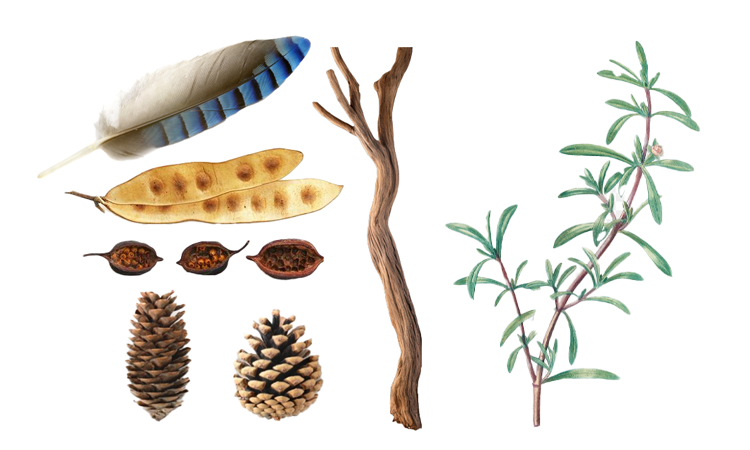
Consider indoor plants (see Dr Alice Hayward's suggestions from our previous story), grow herbs on a windowsill, or collect seasonal items like leaves or seed pods. Bring in seasonal fresh flowers, listen to nature soundscapes, or have nature-based images on your walls or computer screensaver. If you can see a tree or garden from a window, pause to take it in. Small moments – like noticing sunlight through leaves or the smell of freshly picked herbs – can be grounding and restorative.

Image Adobe Stock anitapol
Image Adobe Stock anitapol
Image Adobe Stock koltsover
Image Adobe Stock koltsover
Image Adobe Stock
Image Adobe Stock
Image Adobe Stock miko
Image Adobe Stock miko
Image Creative Commons
Image Creative Commons

 Built with Shorthand